

Freija
Forum Wench
- Joined
- May 20, 2026
- Messages
- 123
- Reaction score
- 205
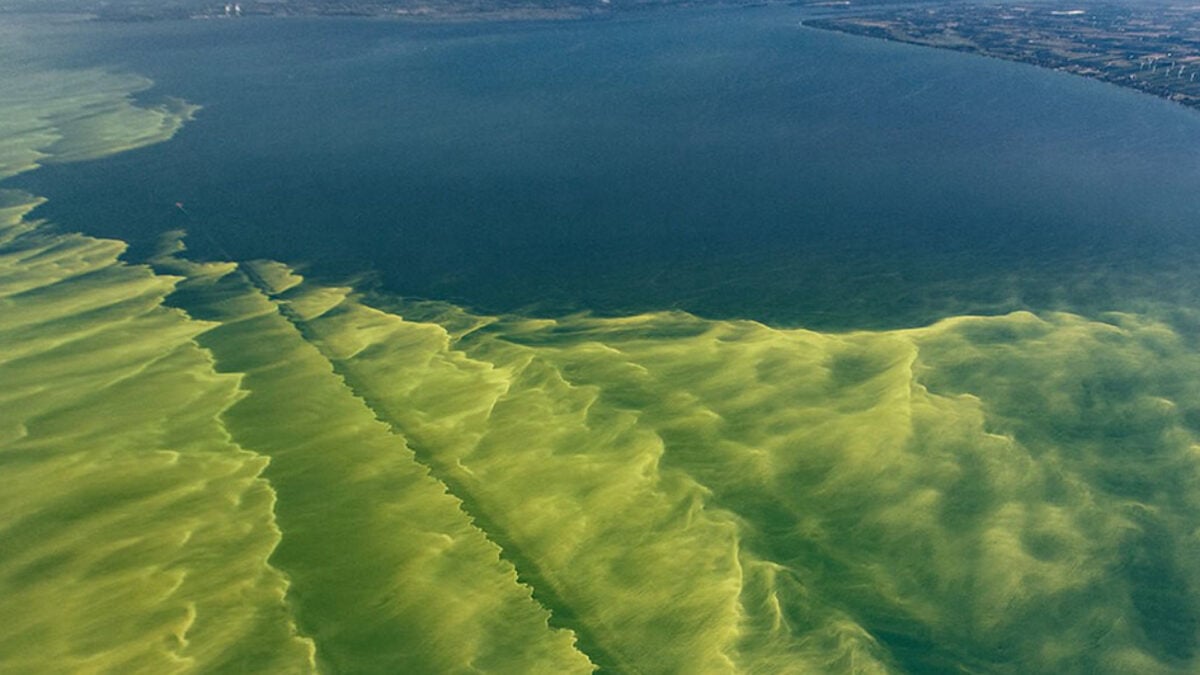
There's a Deadly 'Rotating' Soup of Forbidden Toxins at Lake Erie
Starting in early spring, Lake Erie's algae situation gets so toxic that officials make sure to monitor it—but it seems far from enough.
 gizmodo.com
Every year, Lake Erie experiences seasonal blooms of cyanobacteria, which produce blue-green toxins that pose health risks to humans and animals. Accordingly, officials and scientists consistently monitored these events—and realized that the situation was actually more dire than they thought.
For one, the algal toxins are more accurately a soup of several compounds that team up differently according to the season. The algal blooms produce varying types of toxins as the weather shifts across three separate phases. Concerningly, these compounds include chemicals that evade detection via conventional monitoring. These findings were detailed in two papers published in Environmental Toxicology and the ISME Journal.
“A lot of people are aware of these algal toxins, but the big picture is that these harmful algal blooms are expanding with climate change,” Gregory Dick, senior author of both papers and an environmental scientist at the University of Michigan, said in a statement. “What our paper shows for the first time is that in western Lake Erie, there really is a soup of these different compounds.”
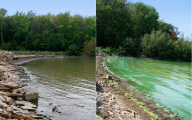
It seems to be more complicated than originally thought with the discovery of a whole lot more going on than expected? I actually visited lake Erie once when I was a little kid but only have hazy memories of it.
This first study “characterized the molecules that exist in this ‘forbidden soup,'” explained Lauren Hart, the lead author of both studies, in a statement. In the second study, published in Environmental Toxicology, Hart and colleagues tested how these compounds interacted as a group, finding that “not only do they exist, they’re of concern,” she added.
As of now, the direct health risks to humans and animals remain unclear, according to both papers. Still, the findings highlight a dire need to reassess current toxicity frameworks to cover a broader range of toxins, according to the Environmental Toxicology paper.
“There needs to be more focus on what we are currently monitoring for, why we are currently monitoring it, and making sure we’re including the bigger picture in our risk management models for large lakes,” Hart said.
Links to the scientific papers are in the first quote. I'll admit it's a bit over my head but it does sound like things might be worst than thought?
